
Save Now, Stay Healthy
Medical bills can appear at any moment, and sometimes they hit harder than expected. That is why it helps to have a plan for medical costs before they happen. Health Savings Accounts (HSAs) and Flexible Spending Accounts (FSAs) are two smart ways to save money on health expenses while lowering your taxes.
They both sound similar, but they work a little differently. Let us take a look at how each one helps you save, stay prepared, and worry less about unexpected doctor bills.
What is an HSA?
An HSA is a special savings account you can use to pay for medical expenses like doctor visits, prescriptions, or even dental and vision care. The best part? The money you put in an HSA is not taxed. That means you save money every time you deposit into it.
You can open an HSA only if you have a high-deductible health plan (HDHP). These plans usually have lower monthly premiums but higher costs before insurance kicks in.
Here is why an HSA is so useful:
✅ You own the account — even if you change jobs.
✅ The money rolls over every year.
✅ You can invest your HSA money and let it grow tax-free.
✅ You can use it for medical expenses even in retirement.
For example, if you save $3,000 in your HSA and you are in the 20% tax bracket, you could save about $600 in taxes that year — just for planning.
What is an FSA?
An FSA (Flexible Spending Account) is another way to save money for health expenses, but it is a bit different from an HSA.
FSAs are usually offered by your employer. You choose how much to set aside from your paycheck for medical costs, and that money is also not taxed. You can use it for:
- Doctor visits and co-pays
- Prescription medicine
- Medical supplies like bandages, glasses, or contact lenses
But here is the catch:
🚫 You usually have to use the money by the end of the year or lose it. Some employers give you a short grace period or allow you to roll over a small amount, but most of it needs to be spent.
So, FSAs are great for short-term savings, while HSAs are better for long-term health planning.
How They Help You Save
Both HSAs and FSAs give you tax-free money to pay for things you are already spending on. Instead of using after-tax money for a $100 doctor visit, you use your tax-free savings, which can save you 20% or more, depending on your tax bracket.
It is like getting a small discount on every medical bill, every time.
If you plan your healthcare needs wisely, you can use these accounts to reduce stress during emergencies and make medical expenses easier to handle.
Choosing Between an HSA and an FSA
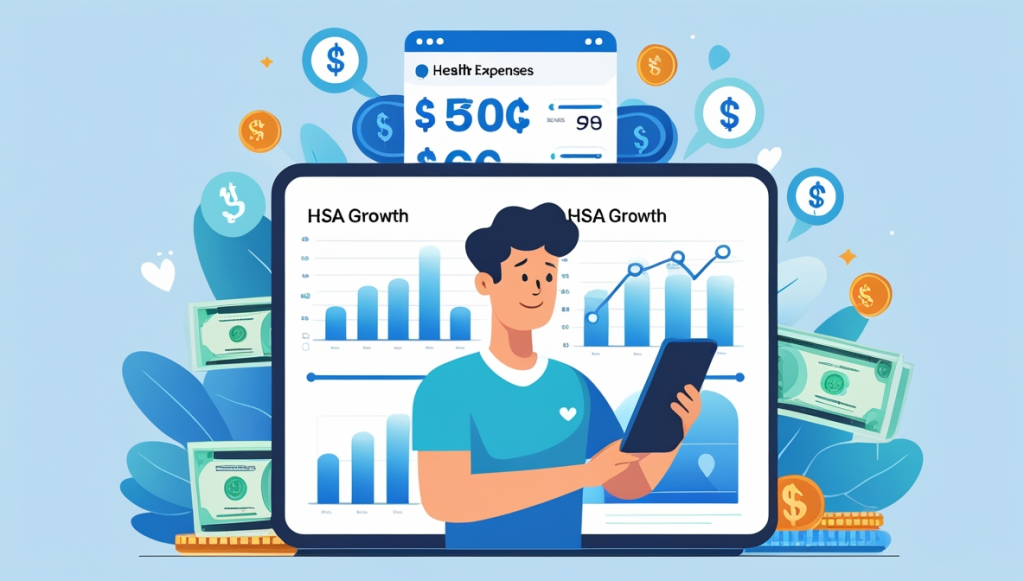
If you are not sure which is right for you, think about these questions:
- Do you have a high-deductible health plan?
- If yes, go for an HSA.
- Do you prefer using your employer’s benefits?
- Then an FSA might be the better choice.
- Do you want money that rolls over and grows?
- An HSA gives you long-term savings potential.
- Do you want to plan just for this year?
- An FSA is ideal for short-term budgeting.
Real Example
James, a 35-year-old father, opened an HSA when he switched to a high-deductible plan. He saved $2,500 each year. After five years, he had over $13,000 saved — and it grew even more with investments. When his daughter needed surgery, he paid for it with tax-free money and still had funds left for the future.
Final Thought
Medical costs are a part of life, but stress does not have to be. Whether you choose an HSA or an FSA, both help you save money, reduce taxes, and prepare for what life brings.
A little planning today can mean a lot of peace tomorrow. Your health and your wallet both deserve protection.
AutomaticTaxReturns.com helps you take control of your taxes and your health savings. Smart planning today keeps your future secure and your finances strong.
About the Author