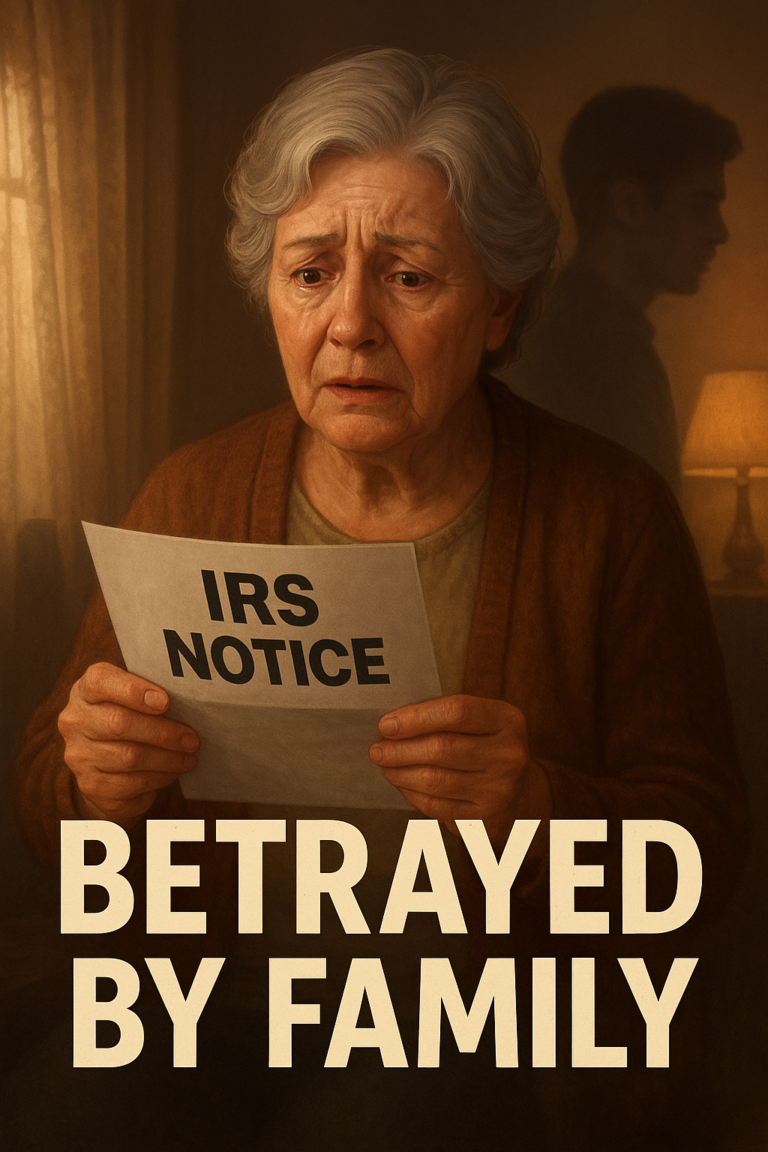
One such taxpayer in 1986 walked into a small tax preparation shop anticipating a large refund. She was unmarried, had no children, and possessed a fairly straightforward tax return. But that did not interest her preparer.
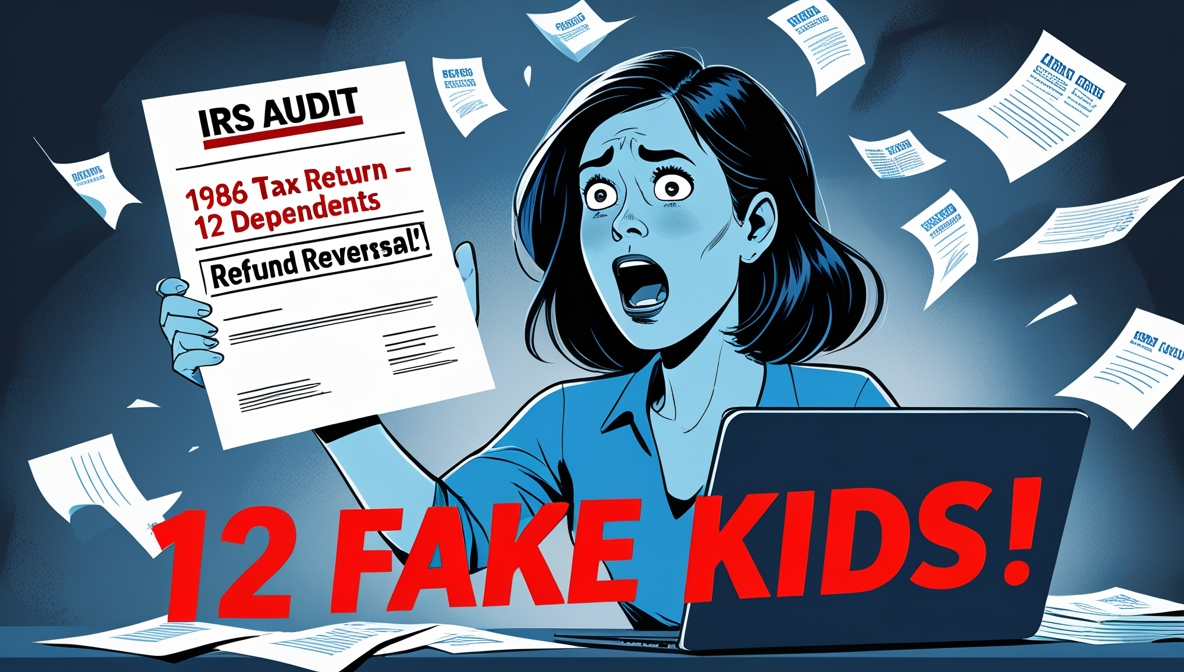
The tax preparer told her that if she wanted a “better refund,” she could list twelve dependents on the return. It seemed unbelievable, and the taxpayer trusted the preparer. Back then, it all happened on paper, and the IRS processed returns in slow motion.
When the refund came, it was enormous—larger than she had ever received previously. She was happy, the tax preparer took their fee, and life went on.
For a while, it was okay. She continued on her way, sure that the IRS would never track her down. But the IRS does not forget.
Seven years later, in 1993, she received a letter in her mailbox. It was from the IRS. The letter told her that her 1986 tax return was being reviewed for false dependents. The IRS matched Social Security numbers and found none of the twelve listed dependents were real individuals.
Her elation shortly turned into anxiety. The IRS demanded complete repayment of the refund, plus interest and penalties. What was initially an innocent “bonus refund” was now serious business — and they came knocking at her door years later.
The examination revealed that the tax preparer had prepared numerous returns for several clients with made-up dependents to boost refunds. The taxpayer, even though she protested that she “did not know,” was nevertheless held responsible for her own return.
She had thousands of dollars and years of financial worry in her debt. The IRS made it clear: even if you use a preparer to prepare your form, you are held accountable for what gets filed in your name.
This is a powerful reminder that tax shortcuts ultimately catch up with us. The IRS has more tools than ever to verify dependents, income, and deductions. No fake claim ever evades detection indefinitely — it just takes time.
Lesson to Learn
Always be honest on your tax return. A bigger refund is never worth the risk. Trust only certified professionals, review every line before signing, and remember — the IRS may be slow, but it never forgets.
Below is a video that illustrates why you don’t trust tax preparers
About the Author