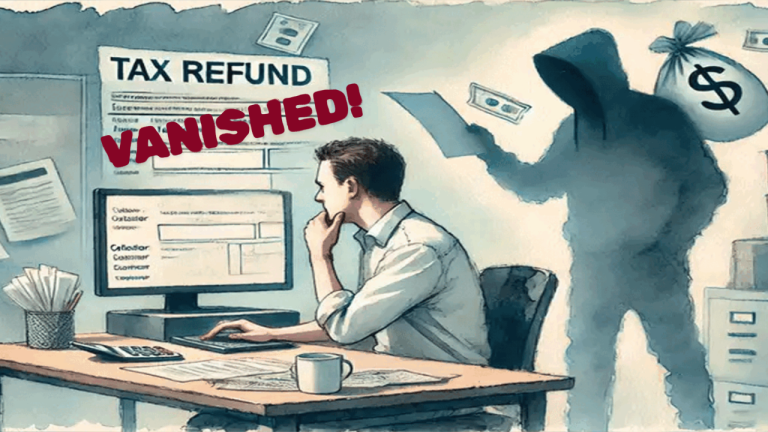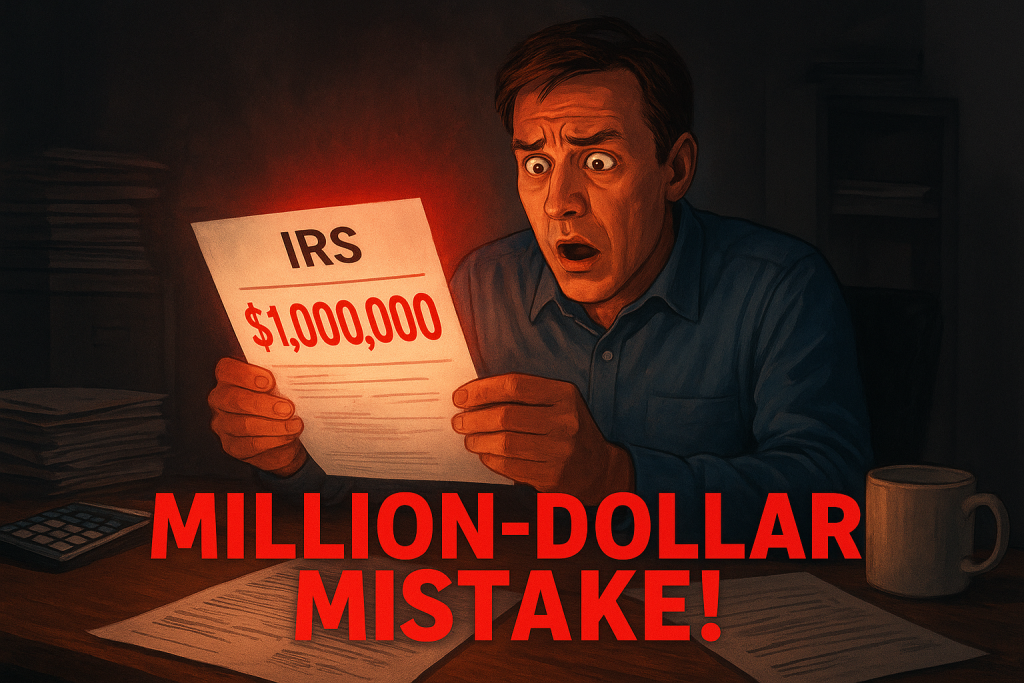
It started with one number. Taxpayer Mark, frustrated, was working late trying to finish his tax form before it was due. His eyes were blurry, his calculator was slow, and his coffee cup was empty. He entered his income, deductions, and credits all correctly. Everything was fine until that one number altered his life.
Mark put down $10,000, but he accidentally added two zeros. The IRS received a return showing income of $1,000,000. He wasn’t watching what he was doing and mailed it. Several weeks passed, and then he received a letter from the IRS. He smiled as he initially thought he was getting his refund check. But there was no check. It was a notice.
The IRS believed he had made a million dollars last year. They wanted to tax it — over $300,000. His hands shook as he read the letter. He tried to tell them this was a mistake, a misspelling. The IRS agent who called him was firm but not angry. “You will have to file an amended return,” the agent told him.
Mark submitted the amended return, and that initiated a complete audit. The IRS requested income verification, W-2s, and employer verification. This took several months. His refund was delayed, his stress level hit a peak, and his friends were calling him “Million-Dollar Mark.”
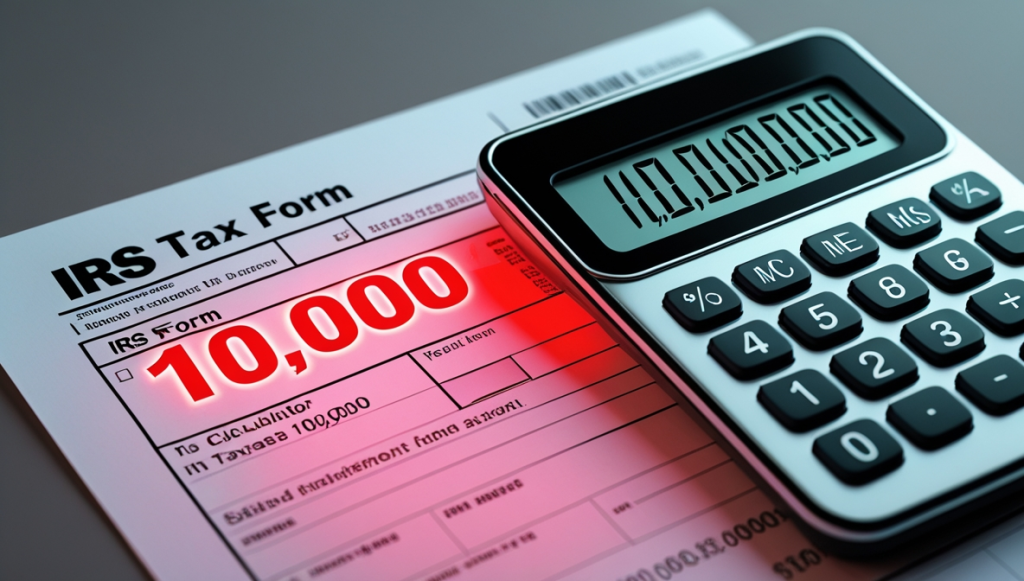
At last, after what felt like an eternity, the IRS recognized its mistake. They processed his amended return and eliminated the preposterous balance. The experience did teach Mark a lesson about double-checking numbers, however.
He tells his story often: “That extra zero almost ruined my year.”
The lesson is brief: correct your return. A misplaced key will turn a small mistake into a fortune. IRS computers aren’t smart enough to differentiate between a typo and reality — until you are.
So the next time you’re fatigued or rushing when you finish your return, pause, shake your head, and review every zero. It could save you from making your own million-dollar error.
About the Author