In this strange world of taxation, some stories are just too incredible to be true. One of them is called “Refund From Prison. It was a tale of miscommunication, bureaucratic ineptness, and an outrageous IRS discovery that people were scratching their heads trying to figure out how so strangely bizarre could have escaped notice.
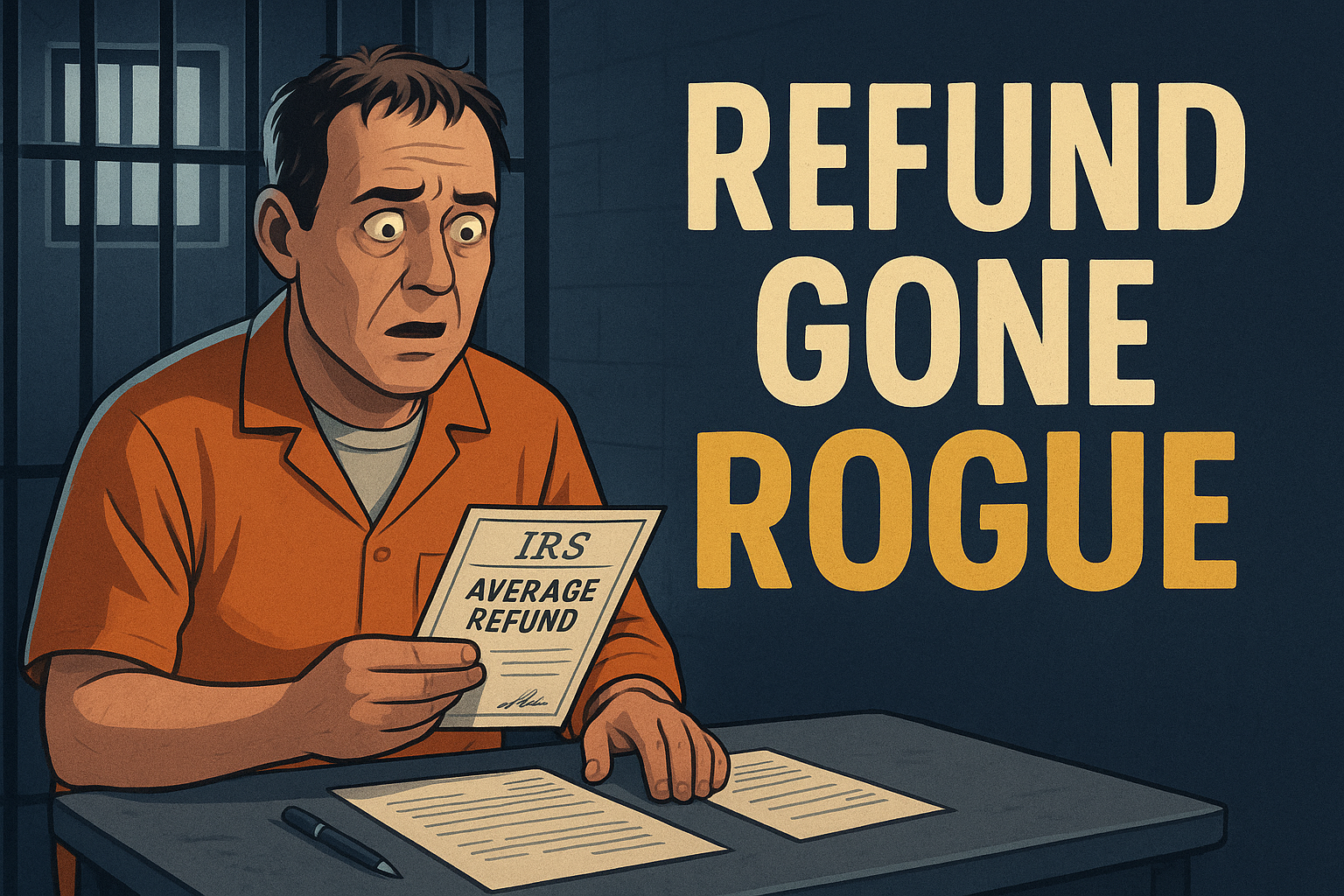
It began with a middle-aged man serving time in a federal penitentiary, somehow working an angle off of a tax return—forms, math, and details. The twist? He wasn’t working, took in no income that year, and wasn’t entitled by law to a refund. But a few months down the line, the IRS downsized his forms and mailed him a several-thousand-dollar refund check to his prison facility.
The other prisoners simply could not understand. They taunted that the individual had hit the “IRS jackpot.” However, beneath the mockery was a real issue: a seeming failure of verification and processing of refunds. The return was stamped valid, the refund verified, and the money deposited.
Years down the line, the IRS began cracking down. Through a blanket review of audits, they stumbled upon hundreds of similar returns filed by inmates from jails across America. They were tiny in some instances, but tens of thousands of dollars in bogus refunds in most instances. The “Refund From Prison” case was one that was watershed, which led to a massive effort to cross-match prison records with IRS tax returns.
When asked about it, the prisoner indicated that he “thought everybody was eligible for a refund,” showing how misinformation about taxes can take hold even in the most unexpected places. He described having a friend help him complete the form and having him tell him it was “free money from the government.” Worse for him, that misconception landed him charged with federal fraud, getting time added to his sentence and staining his name on IRS computers for the rest of his life.
This strange case is a reminder that the IRS will not always catch errors in the first place—but when they do, they take it very seriously. Taxpayers, even prisoners in prison, are required to give accurate information. False returns are fraud no matter where you are.
However, one can’t help but laugh at the irony: a man who was already incarcerated was able to “steal” from the IRS without ever having to exit his cell. While the story is amusing on one hand, it also highlights the importance of careful checking and honesty in all tax returns.
🧩 Lesson Behind the Story
While this story brought some gallows humor, it does serve as a reminder to taxpayers that their returns need to be double-checked and that everything is on the level. The IRS has become stricter with its verification practices since this incident occurred. Today, prison returns are automatically scanned, matched, and flagged before any refund can be given.
The “Refund From Prison” story might be amusing, but it serves as a caution to all of us that the IRS never forgets and catches up with every mistake, no matter how inventive.
About the Author