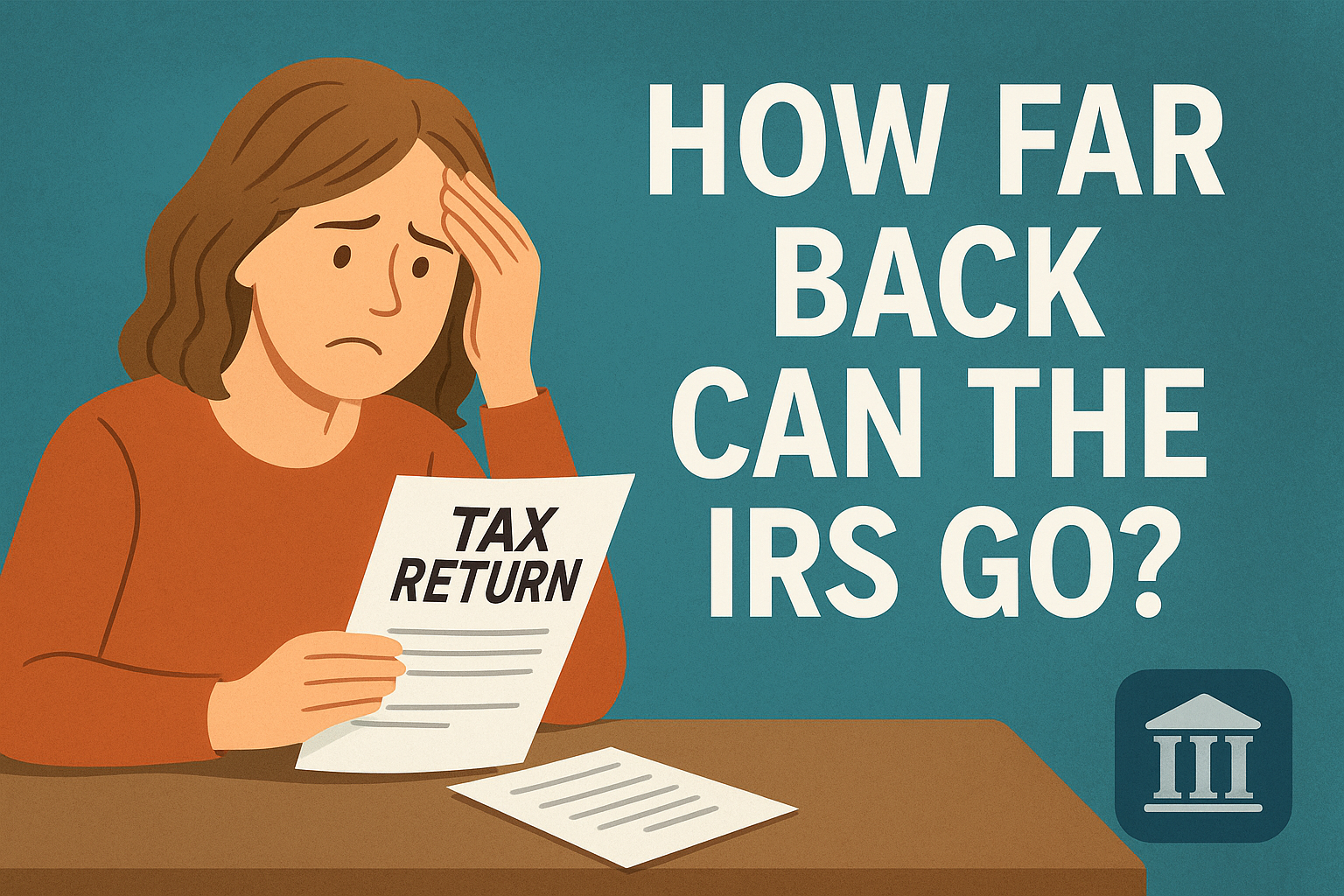
Most people believe that once a tax year ends, their filing worries are over. However, the Internal Revenue Service does not forget easily. The question “How far back can the IRS go?” can make anyone uneasy—especially if there is even a slight chance of past filing errors. The truth is that the IRS has a very long memory, and depending on your situation, it can go back several years—or even longer.
In general, the IRS has three years from the date you file your return to audit it. That is the standard statute of limitations for most taxpayers. But some exceptions can extend this window. For example, if you underreport your income by more than 25 percent, the IRS can go back six years. If you fail to file a return entirely, there is no time limit. They can review, assess, and collect taxes at any point in the future.
This may sound intimidating, but it serves a purpose. The government wants to ensure that serious cases of tax evasion or major reporting mistakes do not slip through the cracks. Even so, most audits are triggered by specific red flags—large deductions, missing income documents, or inconsistencies between what you report and what your employer reports.
It is important to remember that records protect you. Keeping your tax documents for at least seven years is one of the smartest financial habits you can have. That includes W-2s, 1099s, receipts for deductions, and any proof of major purchases or business expenses. The longer and more detailed your records, the easier it is to defend yourself if the IRS comes calling.
Another thing many taxpayers do not realize is that the IRS can also collect unpaid taxes for up to ten years after they have been assessed. This is known as the “Collection Statute Expiration Date.” Once those ten years pass, the IRS generally can no longer pursue payment. But they can restart that clock in certain situations, such as bankruptcy filings or installment agreement requests.
So, how far back can the IRS really go? The short answer is—it depends. If your returns are accurate and filed on time, you are usually safe after three years. If the IRS suspects major underreporting, they may go back six. If you never filed at all, the timeline does not exist.
The bottom line: Do not assume time erases tax responsibilities. The safest path is to file correctly, keep records, and respond to any IRS letters promptly. The IRS may move slowly, but it never forgets.
About the Author