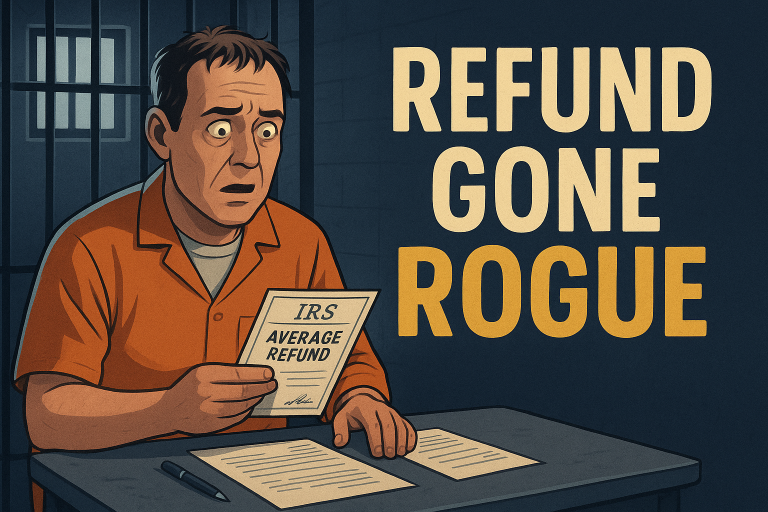
It is easy to think that filling out taxes is simple, but of all the details of a tax return, perhaps the most confusing is your filing status. Most just skip over this section of the return, assuming single, married, or head of household is just a label. Your filing status actually can make a large difference in the amount of your refund, how much you pay, and even whether you’re eligible for certain credits.
Let us take the case of two people who earn the same but report differently — one may receive a good refund, while the other must pay taxes. That is why it is not a nicety to know your filing status; it is a smart financial decision.
The Mischecked Box Story
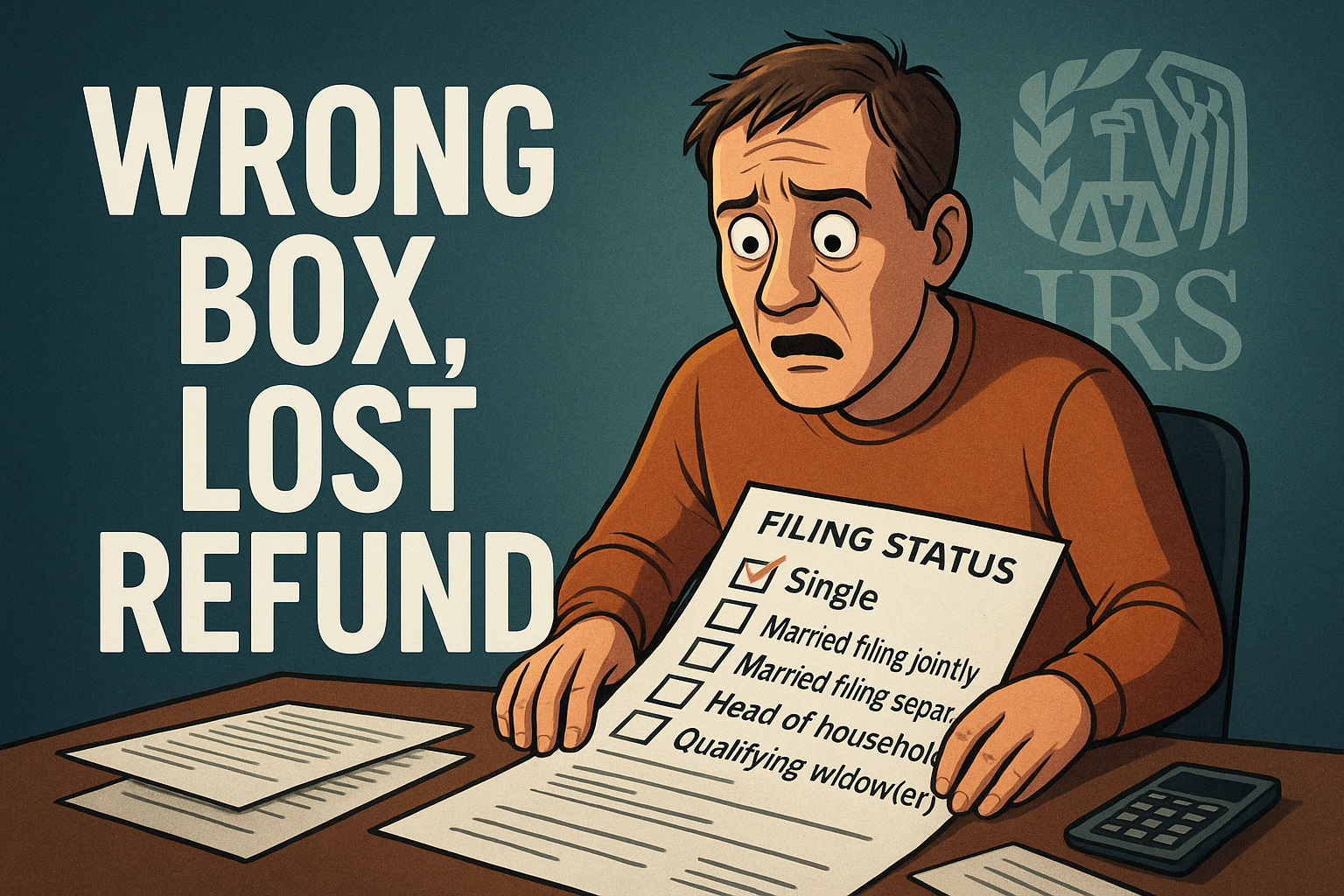
Let us take a small town story again. A tax filer, Susan, had been filing “Single” for years. When she married in December, she had calculated her tax for the year would still be “Single” since she was single for all but the final few days of the year. That minute mistake cost her an estimated $1,200 in tax savings. The IRS policy is simple — if at the end of the year you were married, you are married for the entire year.
When Susan discovered that she had made a mistake a couple of months later, she was embarrassed and frustrated. How could a couple of careless checkmarks cause such damage? That’s when she gained something worthwhile — it is being aware of your filing status will make all the difference between a refund and a surprise bill.
Why Filing Status Matters
- Your tax rate: Certain statuses have lower brackets.
- Your standard deduction: Married couples usually are entitled to a higher deduction.
- Eligibility for credits: Certain credits, like the Earned Income Credit, are considerably status-dependent.
- Your IRS audit risk: Inaccurate statuses can result in flags for mismatched dependents or incomes.
The Common Mistakes
Head of Household Haze: Single filers think they qualify in this status because they rent or own a house. But only if someone else is dependent on you who is living with you for more than six months.
Married Filing Separately vs. Jointly: Married couples think separate filing is less hassle, but it can reduce deductions and eliminate some credits like education and child tax credits.
Divorced or Separated Mid-Year: Timing is everything. If your divorce is not finalized before December 31, you are still married.
The Hidden Emotional Price
Tax season is stressful, but it is also intimidating — afraid of being incorrect. Individuals overestimate the emotional cost of mistakes. A small error in your filing status can inflate into frustration, wasted time, or even IRS notices that show up months later.
The truth is that it is not being irresponsible — it is ignorance. And this can be corrected today.
How to Make Your Best Choice
- Single: Single and without dependents to care for.
- Married Filing Jointly: Most suitable for most married couples.
- Married Filing Separately: When necessary (e.g., medical expenses or for debt purposes).
- Head of Household: For single parents with dependents to care for.
- Qualifying Widow(er): For those who lost a spouse within the last two years and have a dependent..
Final Thoughts
Knowing your filing status is not just about tax forms — it is about knowing your financial story. A single mistake can cost hundreds or even thousands of dollars, but the right choice can bring peace of mind and a bigger refund.
Take a second to glance at your filing status. That one decision might be the best money decision you make all year.
About the Author