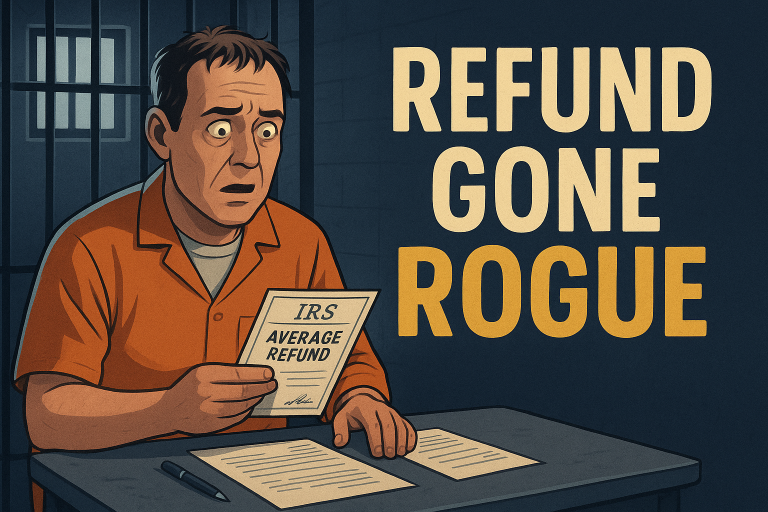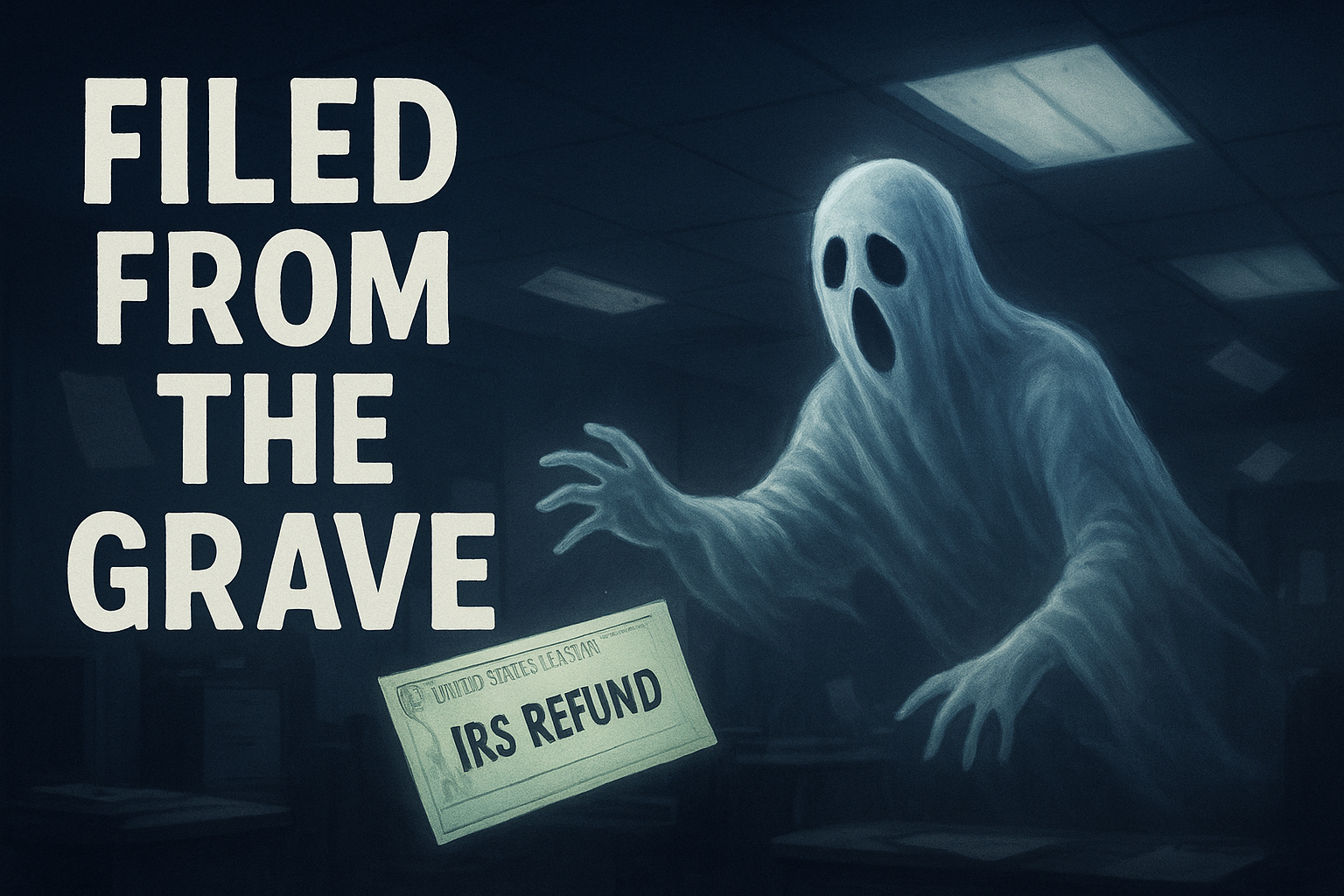
There are stories in tax history that sound so outlandish, they almost qualify as urban legend. This one actually is true, though. Think about the surprise an IRS agent had, opening up a tax return to find the taxpayer had passed away months before filing it. The story of “File From The Grave” serves as a reminder that for taxes, even death is powerless against paperwork.
A Return from the Great Beyond
It was the spring of 1992, and the Kansas City IRS processing center was overwhelmed with a ton of paper returns. Included in them was a neatly completed Form 1040, complete with signatures and a nice request for a refund. Everything seemed fine—until a routine scan revealed that the taxpayer, a retired mailman, 68 years old, had died the previous year.
The return had been mailed out after he died, in his own signature, and even bore his old address. To the IRS, it all seemed perfectly normal—except for one chilling detail: the dead man’s death certificate was already on Social Security’s rolls.
Who, then, had filed this return?
The Family’s Strange Discovery
When the IRS sent a verification letter, the man’s daughter was shocked. She revealed that she had not prepared any return for her father and did not grant anyone authority to prepare one on her behalf. After an internal probe, the investigators determined that the over $4,000 refund had been transferred to a newly opened account in the late man’s name. Someone had proceeded and “brought him back from the dead” to pick up the refund.
It turned out one of the man’s retired tax preparers, who had done his returns for decades, had kept copies of his information. Figuring no one would ever know, he filed “one last return” when the client passed away. Too bad for him, the IRS caught on to irregularities in the date of death. The offender was caught, and his license was revoked.
Lessons from the Grave
This eerie case delivered this frightening message: tax identity theft occurs, and it does not always involve the living. Scammers sometimes prey on the dead because their identities are not actively monitored. The IRS receives tens of thousands of returns in the name of dead taxpayers each year—some unintentionally, others with intent to defraud.
To prevent this, families are now being urged to notify Social Security and the IRS promptly of deaths. Tax records are still secure even after an individual’s death. One W-2 or Social Security number in the wrong hands can lead to the filing of a fake return.
Even the IRS Gets Spooked
The IRS agents who worked on this case later testified that it was one of the strangest they had ever dealt with. One veteran auditor quipped, “I have seen taxpayers return from the dead to dispute audits, but never to file their own returns.”
Behind the banter, however, was a somber reminder: the tax code is not immune to creepy and incredulous errors. In the realm of taxes, even death fails to produce closure.
🧠Moral of the Story
Keep personal information safe even when a family member passes away. Identity theft lasts longer than life is gone, and as this story shows, some tax returns just won’t rest in peace.
About the Author