Every year, thousands of taxpayers become victims to their hard-earned money to tax scams. Not only are the tax scams money-wasteful, but also emotionally exhausting. Scams work on fear, confusion, and trust. Scammers know that the tax season already generates anxiety, and they take advantage of this feeling.
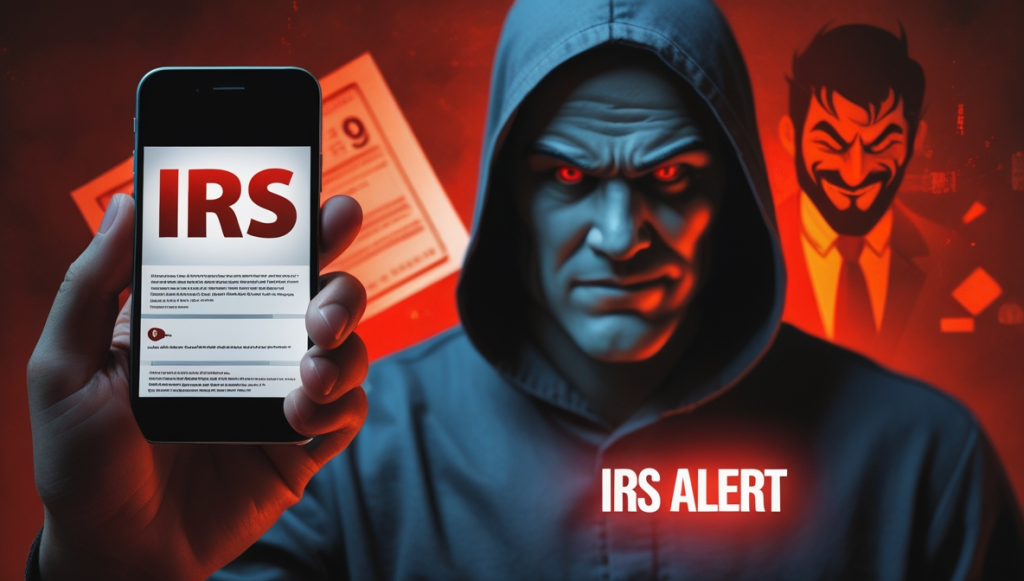
The most common tax scam starts with a fake phone call or email. An impersonator calls and claims to be the IRS or another government agency. They inform you that you owe back taxes, that your refund has been retained, or even that there is an arrest warrant for you. The caller will sound professional and official, explaining that you must pay right away, most typically gift cards, wire transfer, or cryptocurrency.
The truth: the IRS never calls you on the phone, texts message, or emails you to ask you to pay them immediately. They always send a formal letter by mail. If you’re instructed to pay immediately, it’s a scam. Hang up, block the caller, and report it.
The second on the rise is phishing emails. They look as real as actual IRS notices or tax preparation company emails as possible. They include links that forward users to replica sites designed to steal their Social Security number, login credentials, or refund details. Always check the sender’s email address before clicking a link. If suspicious—no matter to what extent—do not cooperate.
Tax professionals are also being targeted by the scam artists. They contact accountants with spoofed “client requests” in the hopes of getting them to open malware-infested attachments. If you’re a tax professional, verify all new clients before divulging sensitive information.
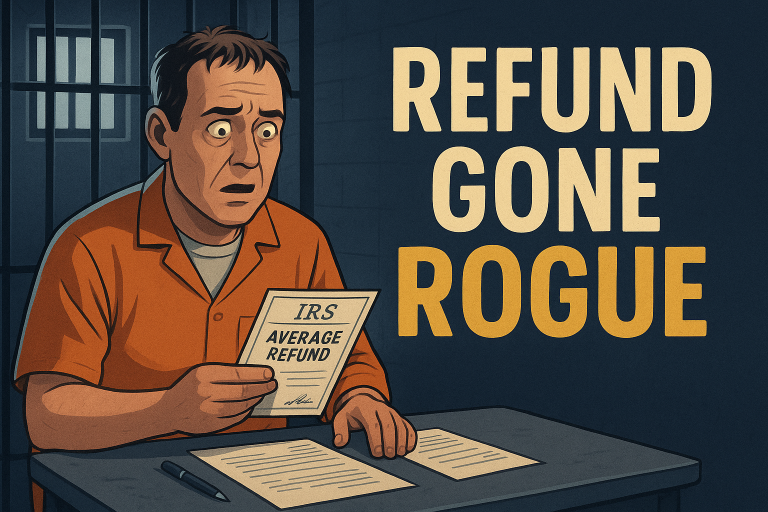
Worst of all are when you have return checks drawn in your name before the time you file. They swipe your refund and can’t be located. When you go to file your return, the IRS computer shows “refund already issued.” This is tax identity theft and takes months to sort out.
To protect yourself from it, file early, use solid passwords, and never send your tax information through social media or a text message. If you do have a preparer, choose one with an IRS Preparer Tax Identification Number (PTIN).
Know-how is your best defense. Educated and vigilant, the scammers are rendered helpless. This tax season, just remember to stop, check, and remind yourself—the IRS never calls for payment in the form of a gift card. Your vigilance is your best defense.
About the Author