When Generosity Turns to Loss
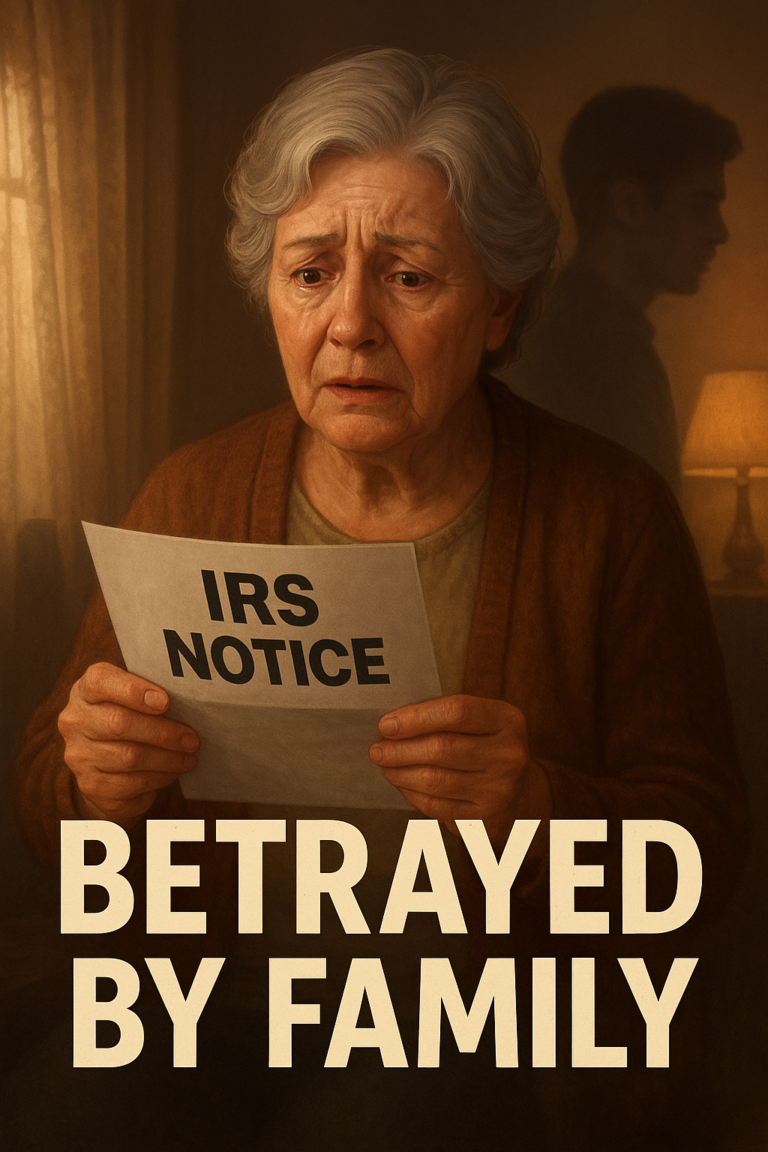
You lend money to a relative or friend and they promise to pay you back soon. Months go and went. Then there is just silence where there once were promises. Knowing that the money is gone, both emotionally and financially. Numerous individuals who pay taxes wonder whether such personal bad debts are tax-deductible on their tax return in order to recoup some of the loss. The answer is yes, but only on strict terms set out by the Internal Revenue Service (IRS).
What the IRS Considers a Bad Debt
A bad debt is cash that was rightfully owed to you, but now is completely worthless because that money cannot and will not be repaid. The IRS distinguishes between bad debts as being two different types:
- Business Bad Debts – of a trade or business, generally deductible as ordinary losses.
- Personal Bad Debts – due to personal lending transactions, e.g., loans taken from relatives, friends, or acquaintances.
Personal bad debts are much harder to support and claim. You will have to show that the loan was bona fide, i.e., was a legitimate loan with repayment in mind—not a favor or gift.
What Constitutes a Bona Fide Loan
- To be a deductible bad debt, you must be in a position to prove that:
- There was either a written or verbal pledge to repay the amount.
- You expected repayment when you lent out the funds.
- You tried to collect the loan reasonably.
- The debt is currently totally worthless and cannot be retrieved.
The IRS will disallow the deduction if your loan is informal or lacks documentation. A signed note, agreement, or even consistent payments over time help establish that the debt was authentic.
When You Can Claim It
You can deduct only a personal bad debt in the same year it is entirely worthless, not partly. That is, you must show there is no chance of ever being repaid.
For example:
- The borrower files for bankruptcy.
- The borrower goes missing, refuses to pay, or has nothing.
- Collection attempts fail after a good-faith effort.
You are not able to simply deduct it because the payment was tardy, or you are upset with the borrower.
Where to Report the Deduction
Personal bad debts are reported as short-term capital losses by the IRS, whether the loan is short-term or long-term.
To report it:
- Complete Form 8949 (Sales and Other Dispositions of Capital Assets).
- Enter the debtor’s name and the loss amount.
- Carry the total over to Schedule D (Capital Gains and Losses).
You can use this loss to offset your capital gain and up to $3,000 of regular income each year ($1,500 if married filing separately). If your loss is more than that, it can be carried over to later years.
Proof Matters
- Personal bad debt deductions are not treated lightly by the IRS. It expects you to have records that clearly state:
- The loan date and the amount.
- Collection attempts (emails, letters, or messages).
- Evidence of worthlessness (bankruptcy notices, written denial, or lack of contact).
Without these, the IRS will most likely have the transaction qualify as a gift, which is not deductible.
What Does Not Qualify
Many cases are not deductible as bad debts:
- Unstructured loans or handouts of cash with no payback provisions.
- Money that was distributed out of love or family obligation.
- Loans that were made without written records or a payback expectation.
- Investments that lost value (these are subject to capital loss regulations, not bad debt regulations).
The IRS prefers to see actual proof that the cash was intended to come back—and that you tried to retrieve it.
Emotional and Financial Lessons
Personal bad loans hurt more emotionally than financially. Lending to relatives is a gesture of trust, and its loss is equally as much a blow to the relationship as to the purse. The IRS write-off might give temporary comfort, but not the healing of the emotional bruise. It also serves as a reminder to make even the most intimate loans formal, for clarity and security.
Avoiding Losses in the Future
- Always put it in writing. Even a promissory note, a mere written note, is better than an oral arrangement.
- Set repayment terms, amounts, dates, and interest, if any.
- Do not mix emotion with money—let it be a financial transaction, not a favor.
- Put communications about repayment in writing.
- Know your limits—if you cannot afford to lose the money, hesitate before lending it.
A Realistic Perspective
While it may be tempting to consider all unpaid personal loans a deduction, the IRS is not deceived by emotional lending. The deduction is intended for open, quantifiable obligations—not miscommunications or broken promises. If your situation meets the highly unusual requirements, the deduction can mitigate the financial sting. But otherwise, it can be an expensive tutorial on the cost of kindness.
Personal bad debts are not merely money lost, trust broken, and lessons learned. The IRS allows you to deduct them, but only where you can verify that the debt was there, was uncollectible, and wholly worthless. With good records and knowledge of the rules, you can reclaim part of your loss at tax time. But the best defense against personal bad debt is prevention. The next time you consider lending money, remember the rule that prevents so many from heartache: lend no more than you can afford never to see again.
About the Author